Why the Excavator Is the Most Versatile Machine in Heavy Equipment
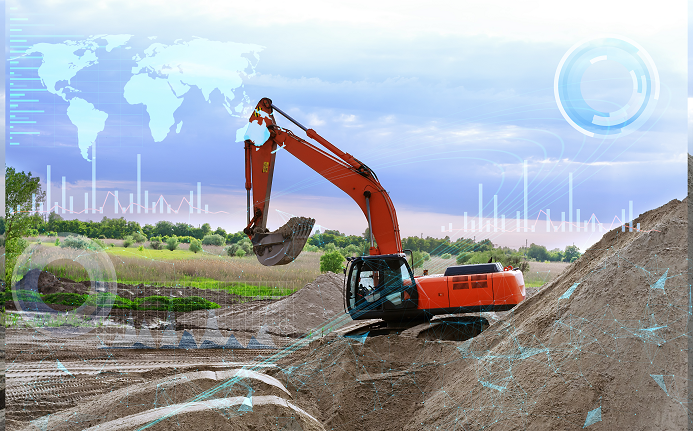
The excavator may be the most versatile machine in heavy equipment.
That is a big statement, but it is not hard to defend. Across construction, roadbuilding, utilities, demolition, mining support, drainage, site preparation, agriculture, forestry, recycling, and rental fleets, the excavator is one of the few machines that can dig, lift, load, grade, break, clear, demolish, sort, and handle material with the right attachment.
A dozer is excellent for pushing and grading. A wheel loader is excellent for loading and carrying. A motor grader is built for precision road work. A skid steer is highly useful in tight spaces. But the excavator crosses more job types than almost any other machine category in the heavy equipment industry.
That versatility is one reason excavators remain central to both new equipment demand and used equipment demand. It is also one reason rental companies continue to pay close attention to excavators, especially mini excavators and compact excavators. When a machine can serve many customers across many applications, it becomes more attractive to own, rent, sell, and resell.
What Is an Excavator?
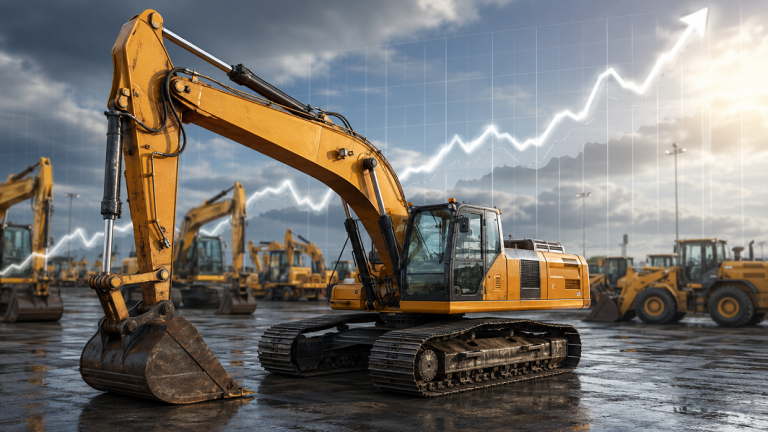
An excavator is a heavy equipment machine built around a boom, stick, bucket, rotating upper structure, and undercarriage. Most excavators run on tracks, although wheeled excavators are also used in certain road, utility, and urban applications.
The technical term “crawler excavator” is often used by manufacturers and dealers because many excavators travel on steel or rubber tracks. But most contractors, equipment buyers, rental customers, and searchers simply use the word “excavator.”
That is the word that matters in the real market.
An excavator can range from a small mini excavator used for residential drainage work to a large production excavator used in mining, quarrying, demolition, or mass excavation. The basic design is similar, but the size, power, reach, hydraulic capacity, attachments, transport requirements, and ownership costs can vary dramatically.
1. An Excavator Can Dig, Lift, Load, Grade, and Demolish
The first reason excavators are so versatile is simple: they can perform many different jobs.
An excavator can dig a trench, load a truck, lift pipe, place materials, clean a ditch, shape a slope, break concrete, pull stumps, tear down structures, sort debris, handle scrap, and support a pipe crew.
This makes the excavator more than a digging machine. On many jobsites, it becomes the central machine around which other work is organized.
A contractor may use an excavator in the morning to dig footings, later use it to unload pipe, then switch attachments to break concrete or clean up material. Few heavy equipment machines can move between tasks that easily.
2. Attachments Turn One Excavator Into Many Machines
Attachments are one of the biggest reasons the excavator is so valuable.
With the right coupler and hydraulic setup, an excavator can use buckets, hydraulic hammers, thumbs, grapples, rippers, augers, compactors, shears, crushers, magnets, mulchers, tiltrotators, grading buckets, and specialty tools.
That gives the owner or rental company more ways to generate revenue from the same base machine.
A bucket makes the excavator a digging machine. A hammer makes it a breaking machine. A grapple makes it a material-handling machine. A thumb helps it pick and place irregular objects. A compactor helps it work in trenching and backfill applications. A tiltrotator can make it far more useful in grading, utility, and precision work.
The attachment market is one reason excavators have become so important to rental fleets. A rental company can rent the same machine into multiple applications by matching it with the right tool.
But attachment sizing matters. Bigger is not always better.
A hydraulic hammer that is too large for the excavator may not perform better than a properly sized hammer. If the excavator does not have the hydraulic flow and pressure to run the hammer correctly, the larger hammer may operate below its potential. A properly sized hammer on the right machine can break more effectively than an oversized hammer that is starving for hydraulic power.
The same principle applies to buckets. An oversized bucket may look productive because it carries more material, but if it slows cycle times, overloads the front of the machine, rocks the excavator back and forth, or forces the operator to fight the machine, it can reduce productivity and add wear.
Overloading the front of an excavator can increase stress on the swing bearing, swing motor, boom, stick, pins, bushings, cylinders, and undercarriage. The machine may not fail overnight, but poor attachment matching can shorten component life and raise long-term ownership cost.
The question is not only, “Can the excavator lift it or move it?”
The better question is, “Can the excavator do it smoothly, efficiently, safely, and repeatedly without creating unnecessary wear?”
3. Excavators Work Across Many Industries
Excavators are used in more industries than most heavy equipment categories.
They are common in general construction, site development, underground utilities, roadbuilding, demolition, landscaping, forestry, mining support, quarrying, drainage, pipeline work, agriculture, recycling, scrap handling, marine work, and storm cleanup.
That broad application range matters for resale value and rental demand.
A specialized machine may be highly productive in one job type but harder to sell or rent when that market slows. An excavator has a wider audience. A contractor, municipality, rental company, farmer, utility crew, demolition company, recycler, pipeline contractor, or export buyer may all have a use for the same machine depending on size and condition.
That wide buyer pool helps explain why excavators remain one of the most searched and discussed machine categories in heavy equipment.
4. Excavators Come in Almost Every Useful Size
Another reason the excavator is so versatile is that the machine category scales extremely well.
Mini excavators can work in tight residential, utility, and landscaping spaces. Compact excavators can handle small commercial, municipal, and urban projects. Mid-size excavators are common in general construction, roadwork, site development, and rental fleets. Large excavators are used in mass excavation, mining support, quarrying, demolition, and heavy production.
This size range allows the excavator to fit many different buyers.
A small contractor may start with a mini excavator because it is easier to transport and can be used on many local jobs. A roadbuilding contractor may need mid-size and large excavators for drainage, pipe, and earthmoving. A mining or quarry operation may need large excavators for production loading.
The word “excavator” covers all of those machines, which is why the category is so important for search, rental, used equipment, and parts demand.
5. Mini Excavators Are Expanding the Market
Mini excavators deserve special attention because they have helped expand the excavator market into smaller jobs and tighter work areas.
A mini excavator can work where a full-size excavator cannot. It can fit beside homes, near sidewalks, behind buildings, along utility corridors, inside confined jobsites, and in areas where larger machines would cause too much damage or be difficult to transport.
That makes mini excavators attractive to landscapers, plumbers, utility contractors, municipalities, small excavation contractors, rental companies, farmers, and property owners.
Mini excavators also fit the rental market well. They are easier to move, easier for smaller customers to operate, and useful across many short-duration projects. A rental company can keep a mini excavator busy with trenching, drainage, fence work, small demolition, grading, landscaping, and utility repair.
This is one reason compact equipment should not be underestimated. Large heavy equipment may dominate the market by dollar value, but compact machines can be extremely important by machine count, rental activity, and parts demand.
6. Excavators Can Work in Confined Spaces
Excavators are useful because they can work in areas where other machines struggle.
A compact excavator or zero-tail-swing excavator can dig near walls, roads, buildings, fences, sidewalks, and utilities. The machine can stay relatively stable while the upper structure rotates, allowing the operator to dig, lift, and place material without constantly repositioning.
That makes excavators especially valuable in urban construction, utility repair, municipal work, residential jobs, road shoulders, and restricted access sites.
This is where excavators have an advantage over many larger earthmoving machines. A dozer, loader, or truck may need more room to maneuver. An excavator can often work from one position and reach into the work area.
7. Excavators Have Reach, Depth, and 360-Degree Rotation
An excavator can dig below grade, reach across obstacles, work above grade, and swing material from one side of the machine to another.
That combination of reach, depth, and rotation gives it a unique role on the jobsite.
The 360-degree rotation is especially important. The operator can dig in one direction, swing, and load a truck behind or beside the machine without moving the entire undercarriage. That saves time, reduces repositioning, and improves productivity in tight or repetitive work.
Reach also matters in ditch cleaning, slope work, drainage, demolition, truck loading, pond work, and utility excavation. A long reach excavator can work in applications where keeping the machine away from the edge or work area is important.
8. Excavators Can Be Used for Precision or Production
Some heavy equipment machines are built mostly for production. Others are built mostly for precision. The excavator can do both.
A skilled operator can use an excavator to carefully expose utilities, place pipe, shape a ditch, clean around structures, or grade a slope. With the right size machine and bucket, the same category can also move large volumes of material.
This ability to shift between careful work and heavy production is part of what makes the excavator so valuable.
Technology is expanding this even further. Machine control, grade assist, telematics, hydraulic improvements, and semi-autonomous systems are making excavators more productive and easier to manage. These systems can help contractors reduce rework, improve accuracy, and support less-experienced operators.
At the same time, technology adds another ownership consideration. Newer machines may require stronger diagnostic support, software access, trained technicians, sensors, controllers, and dealer support. Buyers should evaluate the technology package as part of the total ownership decision, not just as a feature list.
9. Excavators Pair Well With Other Heavy Equipment
Excavators are often the machine that keeps the rest of the job moving.
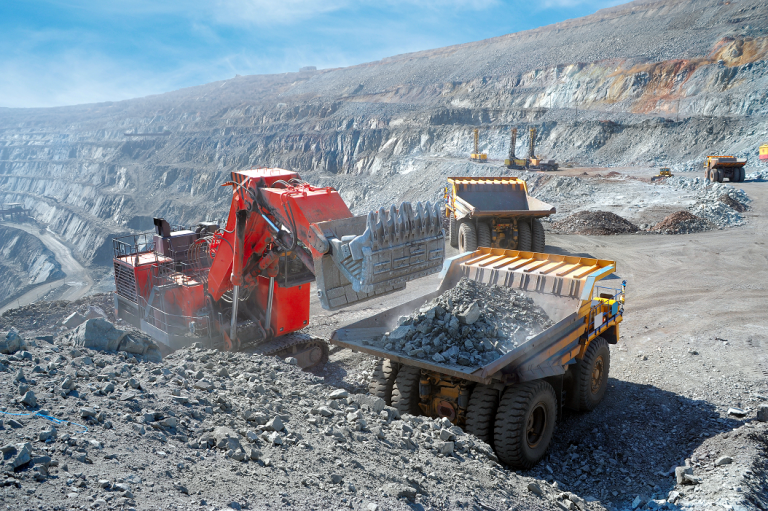
They load dump trucks and articulated trucks. They feed crushers and screeners. They support pipe crews. They work beside dozers, loaders, compactors, graders, skid steers, and haul trucks. In demolition, they work with shears, hammers, grapples, and processing attachments. In roadbuilding, they help with drainage, culverts, slopes, ditches, and utility work.
This makes the excavator a core support machine as well as a production machine.
On many jobsites, if the excavator is down, the whole operation slows down. Trucks wait. Pipe crews wait. Demolition crews wait. Utility crews wait. That is why excavator uptime matters so much.
10. Excavators Have Strong Rental and Resale Appeal
Excavators tend to have strong rental and resale appeal because they serve so many applications.
A machine with broad use usually has a broader buyer pool. That does not mean every excavator holds value equally. Brand, condition, hours, size class, undercarriage condition, hydraulic health, dealer support, parts availability, machine population, and sales channel all affect value.
But the basic demand picture is strong because many different buyers need excavators.
Rental companies like machines that can stay utilized. Contractors like machines that can perform multiple jobs. Used equipment buyers like machines that have resale demand. Export buyers often look for machines with strong global support and parts availability.
This is why excavators remain active in auctions, dealer used equipment inventories, private sales, rental fleets, and export markets.
Why Excavators Matter to Contractors, Rental Fleets, and Equipment Buyers
The excavator matters because it sits at the center of so many equipment decisions.
For contractors, an excavator can be the machine that opens the job, keeps the crew moving, and supports multiple phases of work. It may dig the trench, load the truck, lift the pipe, clean the ditch, break the concrete, and handle cleanup before the job is complete.
For rental companies, excavators are valuable because they serve many customer types. A mini excavator can go to a landscaper one week, a plumber the next, a utility contractor after that, and a small builder after that. Larger excavators can support site contractors, demolition companies, road crews, drainage contractors, and industrial jobs.
For used equipment buyers, excavators matter because demand is broad. A well-supported excavator with the right size, condition, hours, attachments, and parts availability can appeal to many buyers. That wider demand can help support resale value, especially when the machine belongs to a popular size class with strong dealer, aftermarket, and service support.
For fleet owners, excavators matter because downtime can slow the entire job. If the excavator is down, trucks may wait, pipe crews may wait, demolition crews may wait, and production may stop. That makes parts availability, technician support, hydraulic condition, undercarriage condition, and maintenance history just as important as purchase price.
In other words, the excavator is not only versatile because of what it can do. It is versatile because of how many different businesses depend on it.
What to Consider When Buying a New Excavator
Buying a new excavator is not only about choosing a brand or getting the lowest purchase price.
Many contractors will demo excavators before buying. A dealer may send a machine to the jobsite so the contractor can compare it against another brand or model. A contractor may run a Komatsu, Caterpillar, John Deere, Hitachi, Volvo, Develon, Hyundai, or another machine in the same size class and ask the operator which one feels best.
That operator feedback matters.
The operator is the person who will sit in the machine every day. Comfort, visibility, control response, smoothness, digging feel, cab layout, monitor design, hydraulic response, and confidence all affect productivity. If an operator feels more productive in one machine, that should be part of the buying conversation.
But operator preference should not be the only reason to buy.
Every operator has experience, habits, and internal bias. An operator who grew up running one brand may naturally lean toward that brand. Another operator who has spent years in older or lower-spec machines may be impressed by almost any new premium excavator. Those reactions are real, but they are not the full business case.
Owners and fleet managers should look deeper.
When comparing excavators, buyers should ask for measurable information:
- Cycle times
- Fuel consumption
- Estimated owning and operating cost per hour
- Hydraulic performance
- Attachment compatibility
- Dealer support
- Parts availability
- Warranty coverage
- Service intervals
- Maintenance access
- Resale value
- Technology and telematics support
- Operator training
- Local technician capability
Cycle time matters because small differences repeat all day. If one excavator loads trucks faster, swings smoother, digs stronger, or handles the same bucket more efficiently, that difference can affect daily production.
Fuel consumption matters because fuel cost adds up over hundreds or thousands of hours. A machine that saves fuel while maintaining production can reduce operating cost.
Cost per hour matters because the purchase price is only one part of ownership. Dealers and OEMs can often help estimate owning and operating costs based on fuel burn, maintenance intervals, wear items, expected component life, warranty, financing, and resale value.
Parts availability matters because an excavator only makes money when it is working. A machine with better parts support, stronger dealer coverage, and more technician familiarity may have an advantage even if another machine feels good during a short demo.
The best excavator decision combines operator feedback with business reality. The operator should have a voice, but the final decision should also consider productivity, fuel use, maintenance cost, support, uptime, and long-term value.
Excavator Value Is About More Than Purchase Price
Because excavators are so versatile, buyers sometimes focus too heavily on getting the machine and not enough on owning the machine.
Purchase price matters, but it is only part of the equation.
A used excavator may look like a good deal at auction, but the real cost depends on condition, inspection quality, undercarriage wear, hydraulic health, service history, parts availability, and dealer or aftermarket support.
An excavator with a worn track chain, weak hydraulics, leaking cylinders, swing bearing play, emissions problems, or limited parts support can quickly become more expensive than a higher-priced machine with better condition and stronger support behind it.
This is especially important when comparing machines across brands, sizes, and sales channels. Auction machines, private-sale machines, reseller machines, and dealer-certified used machines may all carry different levels of risk.
A dealer-certified used excavator may cost more, but the price may include inspection, service work, financing, warranty, and a support relationship. An auction excavator may cost less, but the buyer carries more responsibility for inspection and post-sale repairs.
Neither path is automatically right or wrong. The buyer needs to understand what risk is included in the price.
Parts Support Is a Major Part of Excavator Ownership
Excavator ownership depends heavily on parts support.
Hydraulic pumps, final drives, swing motors, cylinders, control valves, electronics, engines, cooling systems, filters, pins, bushings, seals, hoses, undercarriage parts, and attachments all affect uptime.
A machine with strong dealer support, aftermarket parts availability, used parts options, trained technicians, and a large machine population may carry less ownership risk than a machine with limited support.
This does not mean one brand is automatically the best choice for every buyer. It means support structure matters.
For major brands with large machine populations, buyers may have more options through dealer parts, OEM warehouses, aftermarket suppliers, reman programs, used parts yards, and experienced independent technicians. For less common machines, the buyer may face longer delays, fewer parts options, and fewer technicians familiar with the product.
That support question becomes even more important as machines age. A new machine may be covered by warranty and dealer support. A used excavator may depend on the strength of the parts and service network around it.
What Buyers Should Watch on a Used Excavator
A used excavator inspection should go far beyond paint and appearance.
Buyers should pay attention to undercarriage condition, track chain wear, rollers, idlers, sprockets, pads, track tension, hydraulic leaks, cylinder condition, boom and stick cracks, bucket linkage wear, swing bearing play, final drive condition, engine blow-by, cooling system condition, fault codes, service records, and emissions system history.
Undercarriage condition is especially important on tracked excavators. Pads may look acceptable while internal track chain wear, pins, bushings, rollers, idlers, or sprockets hide significant cost. A freshly painted machine or recently replaced visible component does not always tell the full story.
Hydraulic condition is also critical. An excavator depends on hydraulic power for digging, lifting, swinging, traveling, and running attachments. Weak cycle times, overheating, contamination, leaks, pump noise, or repeated cylinder problems can turn a lower purchase price into a higher ownership cost.
Oil analysis can help, but it has limits. One sample without known service intervals does not tell the whole story. Fresh oil may look clean because it was recently changed. A bad sample may also be difficult to interpret if the oil was run far beyond the normal service interval. The strongest oil analysis comes from consistent sampling over time.
Excavator Market Signals to Watch
Excavator demand should not be judged only by new sales, asking prices, or auction results. A stronger view includes rental utilization, used equipment values, machine condition, parts support, buyer demand, and long-term ownership risk.
Rental demand is important because rental companies buy equipment based on utilization. If customers keep renting excavators, especially mini excavators and compact excavators, rental fleets have a reason to keep investing in those machines.
Auction activity is also important because it shows what buyers are willing to pay in a competitive environment. But auction prices need context. A strong auction result may reflect true demand, but it may also reflect machine condition, low hours, seasonality, export buyers, limited new machine availability, or buyer urgency.
Mini excavator growth is another signal to watch. Compact machines are useful across utilities, landscaping, residential work, small commercial jobs, agriculture, municipalities, and rental fleets. Even if large excavators dominate by dollar value, mini excavators may represent a major opportunity by machine count and frequency of use.
Technology will also shape the market. Telematics, grade control, fuel-saving hydraulics, electric and hybrid models, remote diagnostics, and semi-autonomous features may improve productivity, but they may also increase the importance of dealer support, software access, and technician training.
For buyers, the most useful market question is not simply, “Are excavator prices going up or down?”
The better question is:
“Which excavator size classes are in demand, which sales channels are setting values, and which machines have the support structure to keep working?”
Final Takeaway
The excavator is one of the most versatile machines in heavy equipment because it can do so many jobs across so many industries.
It can dig, lift, load, grade, break, demolish, clear, sort, and handle material. It can work in tight spaces or large production environments. It can use a wide range of attachments. It can serve contractors, rental fleets, municipalities, farmers, demolition crews, utility companies, and export buyers.
That versatility is what makes the excavator so popular.
But versatility alone does not make every excavator a good buy. The real value of an excavator depends on size, condition, support, parts availability, hydraulic health, undercarriage condition, attachment matching, operator acceptance, cycle times, fuel consumption, and the work it is expected to perform.
For buyers, the question is not only, “What does this excavator cost?”
The better question is:
“What can this excavator do, how productive will it be, how much risk comes with it, and how well can it be supported after the sale?”