Aftermarket Heavy Equipment Parts: How Parts Availability, Downtime, and Repair Economics Shape Fleet Ownership
Aftermarket heavy equipment parts are often described as a lower-cost alternative to OEM parts. That description is not wrong, but it is incomplete.
For contractors, mining companies, equipment owners, rental fleets, rebuilders, exporters, and maintenance managers, aftermarket parts are not just about saving money on a single repair. They are part of a larger ownership decision.
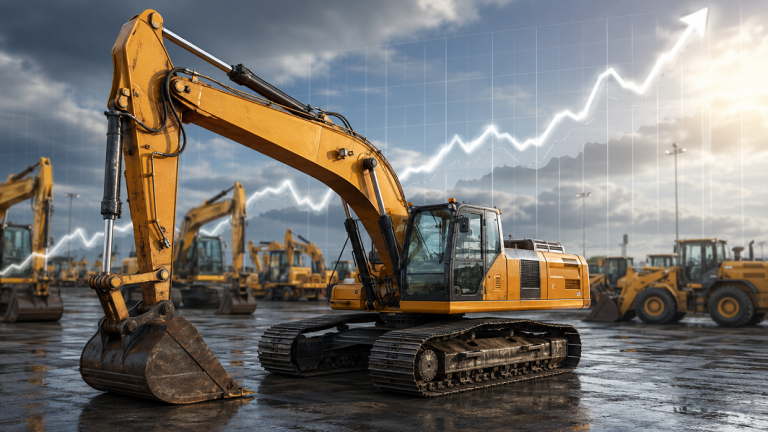
Parts availability affects downtime. Downtime affects production. Production affects revenue. Repair cost affects whether a machine should be kept, rebuilt, sold, or replaced. And in many cases, parts support should be considered before the machine is purchased in the first place.
In other words, aftermarket parts are not simply a purchasing category. They are part of the heavy equipment ownership economy.
When a machine is working, it produces value. When it is down, it creates cost. The ability to source the right part at the right time can determine whether a machine returns to work quickly or becomes an expensive problem sitting in the yard.
Parts Availability Should Influence the Machine-Buying Decision
Many equipment buyers are loyal to a brand. Others are focused mainly on purchase price. Both are understandable. A contractor may have had good experience with a certain manufacturer. A used machine may look like a bargain. A new machine may offer attractive financing or modern features.
But the machine itself is only part of the decision.
Before buying heavy equipment, owners should also ask:
- How strong is the local dealer?
- Does the dealer stock common parts?
- How quickly can emergency parts be supplied?
- Is there good aftermarket parts availability?
- Are major components rebuildable?
- Are wear parts widely available?
- Is the machine popular enough to have long-term support?
- Will this machine still be easy to maintain five or ten years from now?
This matters because new machines usually fail less often than used machines, especially during the early part of their lifecycle. But as machines age, support becomes more important. A brand that looks attractive at purchase can become difficult to own if the dealer network is weak, parts are slow to arrive, or aftermarket options are limited.
A good machine with poor support can still become a bad ownership decision.
Local Dealer Strength Matters
Heavy equipment dealers are not like small retail stores. In many regions, a dealer may control support for an entire state, several counties, or a large territory. That means the quality of the local dealer can directly affect machine uptime.
A strong dealer can help with:
- Parts availability
- Emergency orders
- Field service
- Warranty support
- Technical knowledge
- Machine history
- Component exchange programs
- Rebuild and reman options
- Faster communication with the OEM
A weak dealer network can create the opposite problem. Even if the machine itself is well-built, the owner may struggle when parts are not stocked locally, lead times are uncertain, or technical support is limited.
This is why fleet owners should evaluate the dealer as part of the machine purchase.
The question is not only:
“Is this a good machine?”
The better question is:
“Can this machine be supported quickly and economically in my region?”
Parts Availability Is an Uptime Issue
In heavy equipment, the question is not always, “What does the part cost?”
Very often, the better question is:
“How fast can I get the machine working again?”
A part that is slightly more expensive but available immediately may be more valuable than a cheaper part that takes weeks to arrive. Likewise, an aftermarket part that can be sourced quickly may protect a job schedule, reduce rental replacement costs, and prevent lost production.
This is especially true for:
- Excavators
- Bulldozers
- Wheel loaders
- Motor graders
- Articulated dump trucks
- Mining trucks
- Hydraulic shovels
- Compact equipment
- Older machines
- Imported machines
- Machines operating far from major dealer networks
For fleet owners, parts availability is not a convenience. It is a business requirement.
Downtime Can Be More Expensive Than the Part
The cost of a failed part is rarely limited to the replacement part itself.
A machine failure can affect:
- Operator time
- Crew productivity
- Truck scheduling
- Project deadlines
- Rental replacement costs
- Field service labor
- Lost production
- Customer commitments
- Penalties or delays
- Emergency freight charges
A seal kit, pin, bushing, pump, hose, sensor, bearing, filter, undercarriage component, or hydraulic part may be relatively inexpensive compared to the cost of having a machine out of service.
That is why experienced equipment owners do not evaluate parts only by price. They evaluate parts by total impact.
A lower-cost part that fails early can become expensive. A high-priced part that takes too long to arrive can also become expensive. The best parts decision is usually the one that balances cost, availability, reliability, urgency, and the expected life of the repair.
Aftermarket Parts Help Support Older Machines
Older machines remain important across construction, mining, agriculture, forestry, roadbuilding, demolition, recycling, and export markets. Many of these machines are still productive, especially when they are properly maintained and supported.
However, OEM support can become more difficult over time. Certain parts may become expensive, slow-moving, discontinued, or difficult to source through traditional dealer channels.
This is where aftermarket support becomes important.
Aftermarket parts can help owners keep older machines working by providing options for:
- Wear parts
- Engine components
- Hydraulic parts
- Cylinder seal kits
- Pins and bushings
- Undercarriage parts
- Filters
- Cooling components
- Electrical components
- Final drive parts
- Transmission parts
- Ground engaging tools
- Gaskets, seals, and O-rings
For older machines, the availability of reliable replacement parts can be the difference between continued operation and early retirement.
Used Equipment Buyers Should Check Parts Support Before Buying
Parts support is especially important when buying used heavy equipment.
A used machine may look attractive because the purchase price is low, the hours seem reasonable, or the machine appears clean. But if parts are difficult to find, the buyer may be taking on hidden risk.
The problem becomes worse when a machine has limited aftermarket support. In that situation, the owner may be forced to rely almost entirely on OEM parts. That can mean fewer choices, higher prices, longer lead times, and less flexibility when the machine is down.
Before buying a used machine, buyers should check:
- Whether common wear parts are available
- Whether hydraulic parts are available
- Whether engine parts are available
- Whether seal kits, pins, bushings, filters, and gaskets are available
- Whether undercarriage parts are easy to source
- Whether aftermarket suppliers support the model
- Whether used or rebuilt components are available
- Whether the local dealer has parts history for that machine
- Whether the model is common in the region
- Whether the machine has long-term resale support
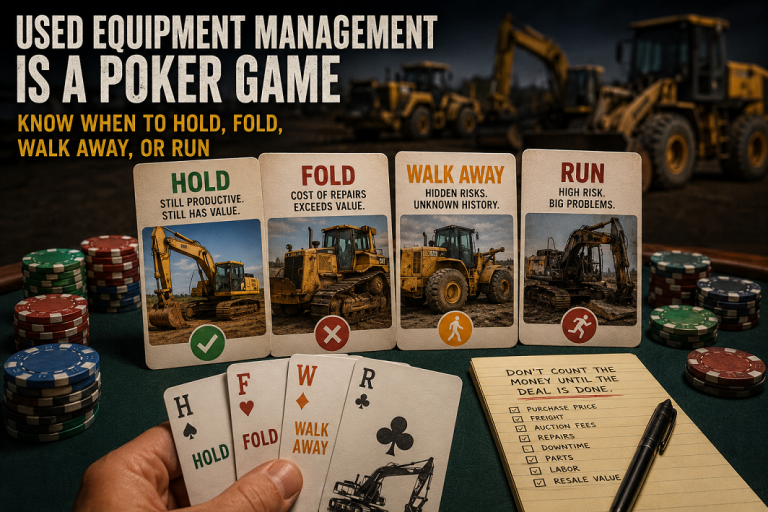
A used machine is not a bargain if it becomes difficult to repair.
Aftermarket Does Not Mean “Cheap”
One of the biggest mistakes in equipment maintenance is treating all aftermarket parts as the same.
There is a major difference between a low-quality replacement part and a reliable aftermarket part from a serious supplier. The word “aftermarket” simply means the part is supplied outside the original equipment manufacturer’s channel. It does not automatically mean the part is good or bad.
A smart buyer should consider:
- Supplier reputation
- Fitment accuracy
- Material quality
- Application severity
- Warranty support
- Availability
- Past performance
- Machine age
- Repair urgency
- Expected remaining life of the machine
In some cases, OEM parts may be the best choice. In other cases, aftermarket parts may offer the best balance of availability, cost, and practical reliability.
The correct decision depends on the machine, the application, the repair, and the business risk of downtime.
OEM Parts Still Have an Important Role
A serious aftermarket discussion should not pretend OEM parts are unnecessary. OEM parts remain important, especially for certain critical systems, warranty situations, highly specialized components, software-linked systems, emissions systems, and applications where exact factory specification is required.
OEM parts may make sense when:
- The machine is under warranty
- The part is highly specialized
- The component is tied to electronic systems
- The repair is extremely critical
- The OEM has the part available quickly
- The owner wants dealer-backed documentation
- The component has limited aftermarket support
But OEM is not always the only logical option. In many real-world fleet situations, the decision is more practical:
Which part gets the machine back to work reliably, at a reasonable cost, within the required timeframe?
That is where aftermarket options become valuable.
Parts Support Affects Used Equipment Value
Parts availability also affects the value of used equipment.
A used machine with strong parts support is easier to own, easier to repair, and often easier to resell. A machine with poor parts support may look attractive at purchase but become difficult to maintain over time.
Supportability affects value because future buyers will ask the same questions:
- Can this machine be repaired?
- Are common parts available?
- Are aftermarket options available?
- Is there local dealer support?
- Are major components rebuildable?
- Can this machine keep working without excessive downtime?
A machine with strong dealer support and strong aftermarket support usually gives owners more choices. A machine with limited support gives owners fewer choices.
That difference matters.
Repair Economics Depend on Parts Options
When a machine fails, the owner usually faces several choices:
- Repair the failed part
- Replace the component
- Rebuild the component
- Install a reman component
- Use OEM parts
- Use aftermarket parts
- Park the machine
- Sell the machine
- Replace the machine
The more parts options an owner has, the more control they have over the repair decision.
Aftermarket parts can improve that flexibility. They may allow a machine to be repaired economically when an OEM-only repair would be too expensive. They may also reduce lead time when dealer availability is limited.
This matters most when the owner is trying to decide whether a machine still justifies continued investment.
A strong aftermarket supply base can extend machine life, protect cash flow, and make older equipment more useful.
Critical Parts Categories Fleet Owners Should Watch
Not every part has the same urgency or economic impact. Some parts are routine maintenance items. Others can stop production immediately.
Fleet owners should pay close attention to availability in these categories:
Hydraulic parts
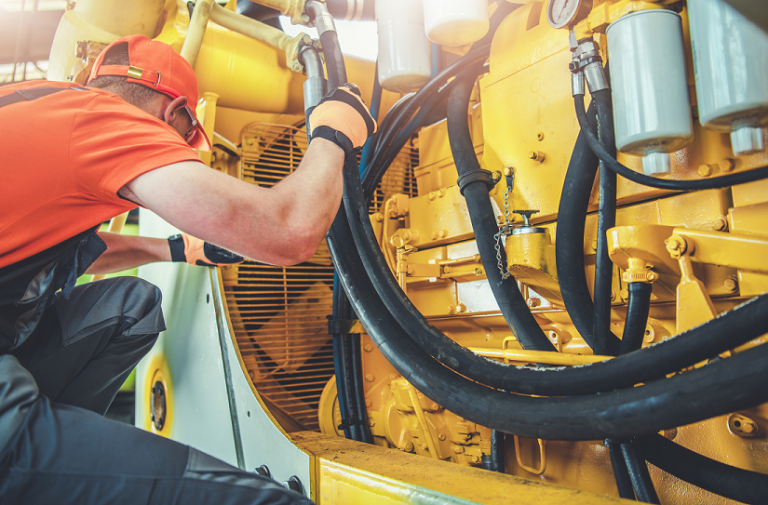
Hydraulic pumps, motors, cylinders, valves, hoses, seals, and fittings are critical to machine performance. Hydraulic downtime can stop an excavator, loader, dozer, or mining machine immediately.
Pins and bushings
Pins and bushings affect machine looseness, bucket control, linkage wear, and long-term structural condition. Ignoring wear can create more expensive repairs later.
Seals and gaskets
Small sealing components can cause large problems when they fail. Leaks can lead to contamination, low fluid levels, overheating, and component damage.
Undercarriage parts
For tracked machines, undercarriage condition has a major effect on ownership cost. Track chains, rollers, idlers, sprockets, pads, and related components should be monitored closely.
Engine parts
Engine components, filters, cooling parts, belts, pumps, injectors, turbochargers, and gaskets directly affect uptime and repair cost.
Final drive and drivetrain parts
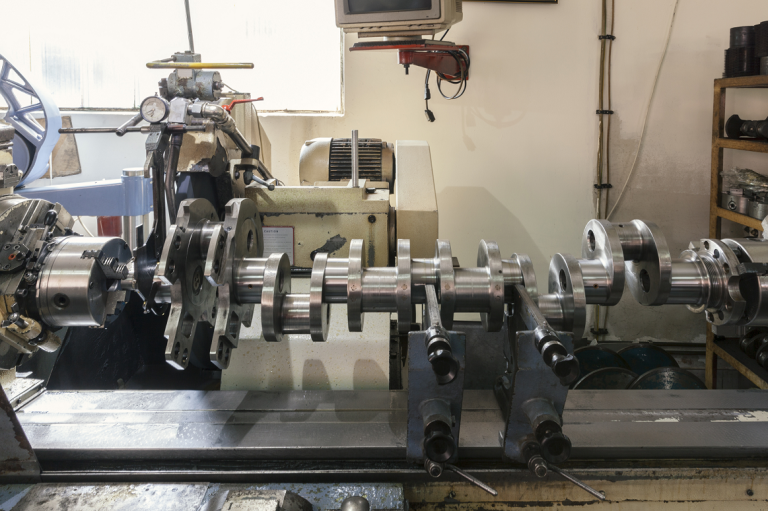
Final drives, transmissions, torque converters, axles, differentials, and related components can be expensive and time-sensitive repairs.
Ground engaging tools
Buckets, teeth, cutting edges, adapters, rippers, and blades affect productivity, fuel use, and machine efficiency.
A fleet that understands these categories can plan better, stock better, and respond faster when failures occur.
Aftermarket Parts and Global Equipment Markets
While this article focuses primarily on North America, aftermarket parts are also important globally. In Latin America, Africa, Asia, the Middle East, and other export-heavy equipment markets, machines often remain in service for many years after their first ownership cycle.
In these markets, aftermarket support can be essential.
Older machines may be exported, rebuilt, repaired, and used in demanding applications long after they leave their original dealer-supported market. For these owners, parts availability is often the deciding factor in whether a machine remains productive.
That makes aftermarket parts not only a North American fleet issue, but a global equipment support issue.
How Fleet Owners Should Evaluate Aftermarket Parts
A practical aftermarket parts decision should consider more than price.
Fleet owners and maintenance managers should ask:
- Does the part fit the correct machine and serial range?
- Is the supplier knowledgeable?
- Is the part available now?
- What is the expected lead time?
- Is the part appropriate for the application?
- Is this a critical repair or a routine replacement?
- What is the cost of downtime?
- Is warranty support available?
- Has the supplier performed well before?
- Does the part make sense based on the machine’s age and value?
The best aftermarket decision is not always the cheapest decision. It is the decision that makes the most sense for uptime, cost, reliability, and machine life.
What Equipment Buyers Should Ask Before Choosing a Brand or Model
Before buying new or used heavy equipment, owners should think beyond brand reputation and purchase price.
The following questions can help reduce long-term ownership risk:
- Who is the local dealer?
- How strong is that dealer’s parts department?
- Does the dealer stock common maintenance and repair parts?
- How quickly can emergency parts be supplied?
- Is the machine common in the local market?
- Are aftermarket heavy equipment parts available for that brand and model?
- Are major components rebuildable or available as reman units?
- Are there multiple supplier options?
- Will parts still be available as the machine ages?
- How expensive will the machine be to support after warranty?
- Will the machine be easy to resell later?
These questions matter because the purchase decision does not end when the machine is delivered. It continues every time the machine needs service, parts, repairs, or resale support.
The HEPLANET Takeaway
Aftermarket heavy equipment parts are not just a way to reduce repair cost. They are part of a larger fleet ownership strategy.
They affect:
- Uptime
- Downtime
- Repair economics
- Used equipment value
- Machine life extension
- Fleet flexibility
- Cash flow
- Rebuild decisions
- Dealer dependence
- Global equipment support
For equipment owners, the real question is not simply whether OEM or aftermarket is better.
The better question is:
Which parts strategy keeps the machine working, controls cost, supports the fleet, and protects the business?
And before buying a machine, the question should be even broader:
Will this machine be supportable in my region, at a reasonable cost, for the years I expect to own it?
That is why aftermarket parts, dealer strength, and parts availability deserve a serious place in heavy equipment ownership decisions.