How Tariffs Can Reset Heavy Equipment Prices Long After Trade Deals Change
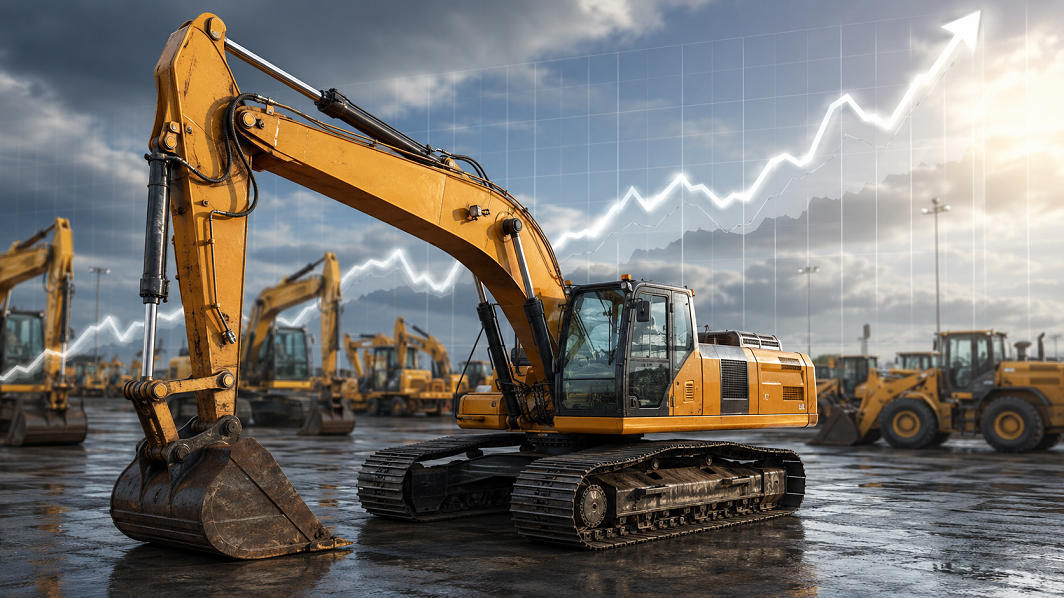
Tariffs can raise heavy equipment prices quickly. The harder question is whether those prices come back down when trade deals change.
That is the buyer problem contractors need to understand.
When fuel prices rise, a hauler, supplier, or rental company may show a fuel surcharge. Buyers may not like it, but they can see it. If fuel prices fall, they can ask whether the surcharge should come off.
Tariffs are different.
A tariff may not appear as a separate line on an excavator quote. It may be absorbed into the base machine price, freight adjustment, dealer program, attachment price, parts price, or supplier cost. Once that higher number becomes the market price, it may not come all the way back down even if a trade deal later reduces the tariff.
That is why tariffs matter beyond the headline.
A visible surcharge can be challenged.
A new price floor is harder to unwind.
Why Heavy Equipment Prices Are in the News
The Trump administration recently adjusted tariffs on steel, aluminum, copper, and certain derivative products. The White House tariff update described changes affecting metals, derivative products, agricultural machinery, and industrial equipment. The Associated Press also reported that the changes lower tariffs on some heavy metal goods, including certain agricultural equipment and mobile industrial equipment such as bulldozers and forklifts, from 25% to 15% in qualifying cases.
At the same time, Reuters reported that the United States will honor tariff caps in trade agreements with the European Union, Japan, and other partners, with most EU and Japanese goods capped at 15%.
That does not mean tariff pressure disappears.
It means the market continues operating under moving rules, country-specific agreements, product classifications, supplier contracts, and supply-chain uncertainty.
For equipment buyers, the issue is not political. It is practical.
If tariffs raise equipment prices, and then trade agreements later reduce or cap those tariffs, will excavator prices, parts prices, rental rates, and used equipment values come back down?
Maybe somewhat.
But buyers should not assume they will come all the way back.
The Buyer Problem: Tariffs Are Not Always Visible
The problem with tariffs is not only that they can raise today’s invoice.
The bigger problem is that tariff costs can disappear into the price structure.
An excavator may contain components from multiple countries. A machine assembled in Japan, South Korea, Europe, or the United States may still include parts, electronics, castings, hydraulic components, sensors, steel, copper, aluminum, or subassemblies from other markets.
That means a trade deal with one country may not eliminate the cost pressure inside the machine.
If one supplier faces tariffs, if another supplier has to move production, if freight changes, if components are re-sourced to higher-cost markets, or if OEMs price in future uncertainty, the final machine price may stay elevated even after the headline tariff changes.
That is the part buyers often cannot see.
The quote may not say, “This amount is tariff.”
It may simply say the excavator costs more.
A Tariff Increase Can Become a Replacement-Cost Reset
The most important concept for contractors is replacement cost.
If the price of a new excavator rises, the entire market begins to price around that higher number.
A contractor looking at a new excavator does not make that decision in isolation. He compares it to a low-hour used excavator, a rental machine, a rebuild, a major repair, or keeping the existing machine longer.
If the new machine is more expensive, the used machine becomes more valuable because it is now the alternative to a higher replacement cost.
If the new machine is more expensive, the rental company has to think about replacing fleet assets at the new higher price.
If the new machine is more expensive, a repair that once looked too costly may now look easier to justify.
If the new machine is more expensive, parts and service pricing gain more room because keeping the existing machine productive becomes more valuable.
That is how a tariff can affect more than the machine being imported.
It can help reset the pricing floor under the whole equipment category.
Excavator Prices Show the Problem Clearly
Excavators are a good example because they are core machines for contractors, site developers, utility companies, roadbuilders, demolition contractors, rental fleets, and exporters.
If tariff pressure pushes new excavator prices higher, the effect does not stop with the new machine.
A clean used excavator may rise because buyers compare it to the cost of new. Rental rates may rise because rental companies price around replacement cost. Parts pricing may rise because repairing the machine becomes more attractive than replacing it. Dealer labor rates may face upward pressure because technicians need more training, diagnostic tooling, and support infrastructure to keep increasingly complex machines running.
This is why buyers should watch more than list price.
The real question is not only, “What does the new excavator cost?”
The better question is, “What does this new price do to every decision connected to that excavator?”
That includes used equipment values, rental rates, repair budgets, parts costs, financing, insurance, resale value, and cost per productive hour.
Why Prices Do Not Always Come Back Down
It is easy to assume that if tariffs go down, equipment prices should go down.
Sometimes they may.
OEMs may offer discounts. Dealers may sharpen pricing. Financing programs may improve. Rebates may appear. Inventory pressure may create better deals. Competitive pressure may force some price movement.
But that is not the same as a clean reset of the base price.
Once a higher price becomes normal, the industry begins to build around it. OEMs build margin expectations around the new number. Dealers quote from the new number. Rental companies calculate replacement cost from the new number. Lenders finance from the new number. Used equipment sellers compare their machines to the new number. Buyers adjust expectations around the new number.
That is why equipment prices rarely fall in the same clean way they rise.
A temporary tariff can create a permanent pricing expectation.
Trade Deals Do Not Erase Global Supply Chains
Even when tariffs are reduced or capped for certain trade partners, equipment supply chains remain global.
A machine may be assembled in one country but depend on parts from several others. A U.S.-built machine may contain imported components. A Japanese or Korean machine may contain parts sourced from China or other tariff-affected markets. A European attachment may contain steel or components purchased through another supply chain.
That means a country-level trade deal does not necessarily remove all tariff exposure.
It also does not remove the cost of uncertainty.
If OEMs and suppliers do not know whether tariffs will change again, they may build risk into pricing. If suppliers had to move production, renegotiate contracts, or carry higher inventory, those costs may remain. If the market accepted the higher price, there may be limited pressure to return fully to the old level.
This is the contractor’s concern.
A tariff may be temporary.
The price reset may not be.
This Has Happened Before
Tariffs are not the first example of outside pressure changing the equipment-price baseline.
The Tier 4 emissions era changed diesel construction equipment by adding aftertreatment systems, sensors, diagnostics, cooling demands, electronics, technician training, parts support, and service complexity. The EPA finalized Tier 4 emission standards for nonroad diesel engines in 2004, and those rules helped change the engineering and support requirements behind modern diesel construction equipment.
Tier 4 was not the only reason machine prices rose. Inflation, steel, labor, hydraulics, electronics, comfort improvements, safety systems, telematics, supply-chain disruptions, dealer overhead, and market demand all played a role.
But Tier 4 was one of the major structural changes that helped move heavy equipment pricing to a higher baseline.
The lesson for buyers is not that tariffs and emissions rules are the same. They are not.
The lesson is that once the cost of building, supporting, and replacing equipment moves higher, the market does not automatically rewind when the original pressure eases.
That is the same question contractors should ask about tariffs.
If tariffs helped raise the price, what forces the price back down?
The Used Equipment Market Follows New Replacement Cost
Used equipment values are tied closely to new replacement cost.
If a contractor can buy a new excavator for a certain price, the used machine has to make sense below that number. But if the new price rises sharply, the used machine can rise too and still look like a better deal.
That is why tariff-driven price increases can support used equipment values.
A buyer who does not want to pay the new-machine price may still pay more than before for a clean, low-hour used excavator. The seller knows the buyer is comparing that used machine to a higher replacement cost. The auction market knows it. Dealers know it. Rental companies know it. Export buyers know it.
So even if the tariff pressure later eases, used values may not immediately fall.
The whole market has already adjusted.
Rental Rates Also Follow Replacement Cost
Rental companies are affected the same way.
A rental fleet has to replace machines over time. If new excavators, loaders, dozers, trucks, and aerial equipment cost more, rental companies have to account for that higher replacement cost.
That can show up in rental rates, damage charges, maintenance policies, utilization targets, fleet age, and resale strategy.
A contractor may think he is avoiding the new-equipment price increase by renting. In the short term, rental may still be the right move. But rental companies are not immune to replacement cost.
If machines cost more to buy, maintain, finance, and replace, rental rates eventually feel the pressure.
Parts and Service Can Reprice Too
The same logic applies to parts and service.
If a machine becomes more expensive to replace, keeping that machine alive becomes more valuable. That gives the parts and service market more room to move.
A repair that looked expensive when the machine could be replaced for less may look reasonable when replacement cost is much higher. A contractor may approve a larger component repair, a hydraulic rebuild, an engine repair, or a final drive job because the alternative is buying a much more expensive machine.
That does not mean every price increase is justified.
It means the buyer’s decision point changes.
When the replacement cost rises, the threshold for repair spending rises too.
That is why tariffs can affect ownership costs even after the machine is already in the fleet.
What Buyers Should Ask
Contractors should not only ask what the machine costs today.
They should ask how much of today’s price is temporary and how much has become the new baseline.
Before buying a new excavator, used excavator, rental machine, or major component repair, buyers should ask:
Is this price affected by tariffs?
Is the tariff cost shown separately or built into the base price?
Has the OEM or dealer adjusted pricing after recent trade changes?
Is this a true price reduction or a temporary rebate?
Is the financing program hiding the fact that the base price stayed high?
Are used values rising because new replacement cost is higher?
Are rental rates being adjusted because fleet replacement cost is higher?
Are parts and service costs rising because repair has become easier to justify than replacement?
Those questions help buyers understand whether they are seeing a real market correction or just a discount against a higher price floor.
What Contractors Should Do Now
Contractors do not need to panic over tariffs.
They need better buying discipline.
That starts with tracking quotes. If a contractor is considering a machine purchase, he should save quotes over time and compare base price, freight, attachments, warranty, financing, discounts, and trade allowance separately.
It also means comparing new, used, rental, and rebuild options against the same number: cost per productive hour.
A cheaper used excavator may not be cheaper if it creates downtime. A new machine may not be too expensive if it runs more efficiently and carries strong support. A rental machine may be smart if utilization is uncertain. A rebuild may be the right move if the machine has known history and strong parts support.
The point is not to avoid buying.
The point is to understand what number the market is asking the buyer to accept.
If tariffs have raised the pricing floor, contractors need to know that before they make the next ownership decision.
Frequently Asked Questions About Tariffs and Heavy Equipment Prices
How do tariffs affect heavy equipment prices?
Tariffs can raise the cost of imported machines, parts, attachments, materials, and components. Those costs may appear directly as surcharges or indirectly inside the base price of an excavator, loader, dozer, truck, attachment, or part.
Will heavy equipment prices fall if tariffs are reduced?
They may fall somewhat through discounts, rebates, financing programs, or competitive pressure, but buyers should not assume base prices will return to old levels. Once the market adjusts to a higher replacement cost, prices rarely unwind cleanly.
Why do tariffs affect used equipment values?
Used equipment values often follow new replacement cost. If new excavator prices rise, clean used excavators become more valuable because they are priced against a more expensive new alternative.
Do tariffs affect rental rates?
Yes, indirectly. Rental companies replace fleet machines over time. If new equipment costs more, rental companies may adjust rates, fleet age, utilization targets, and resale strategy to account for higher replacement cost.
Why are excavator prices important to watch?
Excavators are core machines for contractors, rental fleets, utility work, site development, roadbuilding, demolition, and export markets. Because they are widely used, changes in excavator prices can signal broader equipment-market pressure.
The Bottom Line
Tariffs can raise heavy equipment prices, but the bigger buyer risk is what happens after the tariff headline changes.
If a fuel surcharge is added, buyers can see it. If fuel falls, they can ask for the surcharge to come off.
Tariff-driven costs are harder to track. They can be absorbed into the base machine price, freight, parts, attachments, dealer programs, supplier costs, and replacement-cost calculations. Once the market accepts the higher number, there may be no clean path back to the old price.
That matters for excavator prices, used equipment values, rental rates, parts pricing, repair decisions, and cost per productive hour.
The lesson for contractors is simple.
Do not only watch the tariff announcement.
Watch whether the price floor actually moves back down.