How to Inspect a Used Excavator at Auction Before You Bid
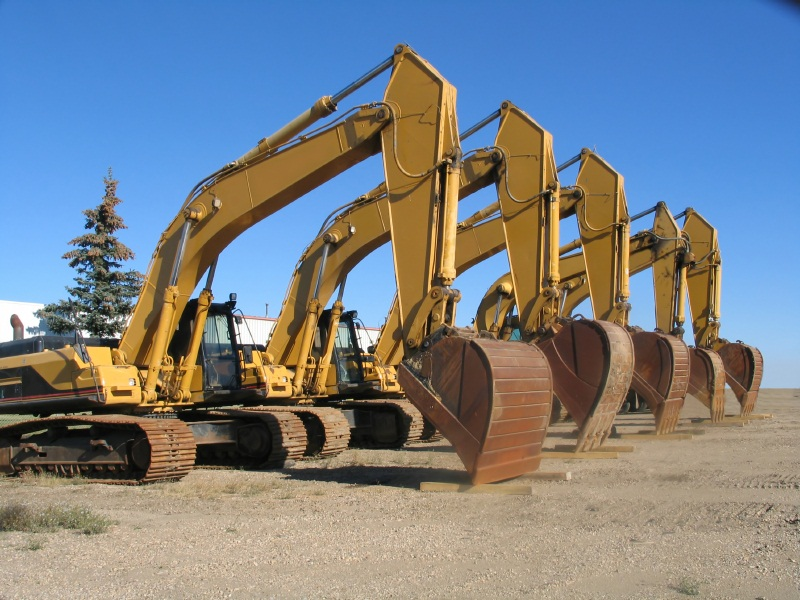
Buying a used excavator at auction can be a smart way to add capacity, replace an aging machine, or buy below dealer-retail pricing. But buying excavators at auction also carries more risk than buying from a contractor, dealer, or private seller.
At a private sale, you may have more time. You may be able to talk to the owner, review maintenance records, dig with the machine, bring a mechanic, take oil samples, or test the excavator in a pile of dirt.
At auction, the rules are different.
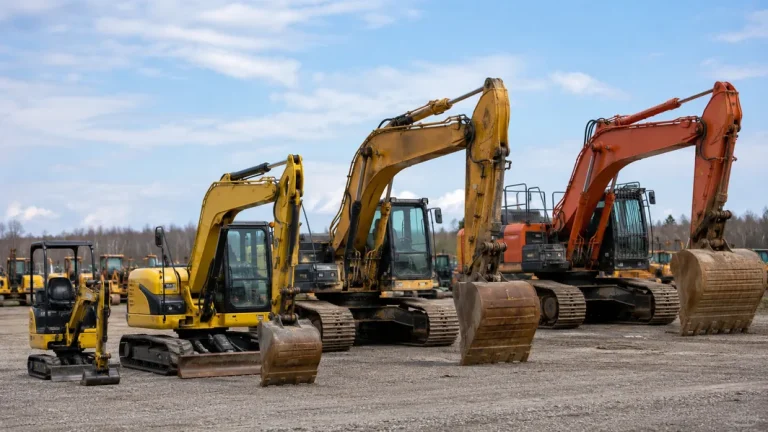
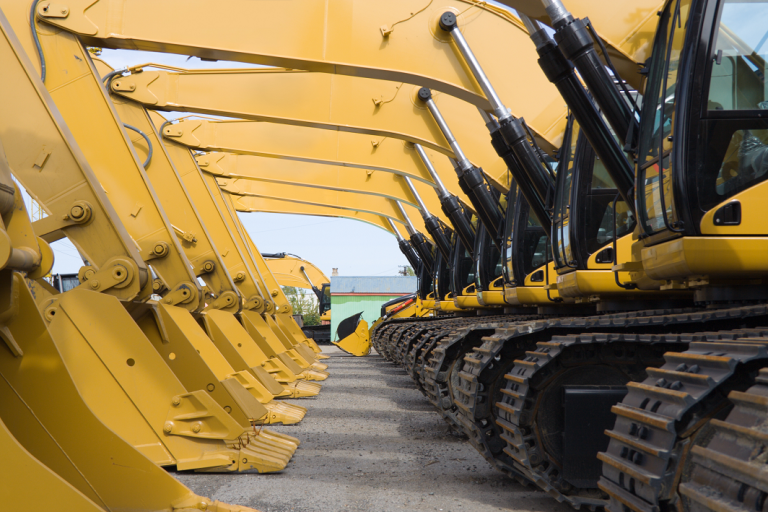
You may have limited time, limited access, limited machine history, limited ability to dig, and limited recourse after the sale. The machine may be parked in a row with other excavators only a few feet away. You may be able to start it, swing it, lift it, track it, and inspect it visually, but you may not be able to run it under normal jobsite conditions.
That does not mean auction machines are bad. Many good used excavators sell at auction. But auction inspection requires discipline.
At auction, you are not just inspecting the excavator. You are trying to see past presentation, assign risk, estimate repair exposure, set a maximum bid, and protect yourself from getting emotional once the bidding starts.
Auction Buying Starts Before the Bidding Begins
One of the biggest auction mistakes happens after the inspection is already done.
A buyer may inspect a machine, identify problems, assign a reasonable value, and then abandon that number when bidding starts. Auctions move quickly. Other bidders create pressure. The buyer starts thinking, “one more bid,” or “I already spent time looking at this machine,” or “I do not want to leave without buying something.”
That is how buyers overpay.
Before bidding starts, take notes, take photos, grade the machine, estimate repair costs, calculate transport and auction fees, and set your maximum number. Once bidding begins, your job is not to beat the other bidder. Your job is to stay disciplined.
For buyers comparing auction risk against dealer or new-machine options, HEPLANET also covers how to choose the right new excavator and how dealer support, resale value, and ownership cost affect the buying decision.
At auction, you are not bidding against the other buyer. You are bidding against your own inspection.
If the bidding passes your number, let the machine go.
Do Not Buy a Used Excavator at Auction From Pictures Alone
The more detailed the inspection process becomes, the more obvious one thing should be: a used excavator cannot be properly valued from pictures alone.
Photos can show general appearance. A short video may show that the machine starts, runs, swings, tracks, and moves the boom, arm, and bucket. But pictures and short videos rarely tell the full story.
They may not show internal undercarriage wear. They may not show whether a link has been removed. They may not show whether a stick was cracked and repaired properly. They may not reveal hydraulic weakness under load, overheating after extended operation, final drive noise, swing bearing play, active fault codes, leaking cylinders after pressure, or whether repairs were done correctly.
A fresh paint job can make a rough machine look better. A recently cleaned engine compartment can hide leaks. New sprockets can distract from worn chains. A short operating video can prove the machine moves, but it does not prove the machine is worth the bid.
That is why buying a used excavator through an online auction without an inspection, verified condition report, or meaningful guarantee carries added risk.
Some auction platforms provide more inspection support than others. IronPlanet, for example, is known for providing equipment inspection reports performed by its own inspection personnel, and its IronClad Assurance is intended to give buyers more confidence in the reported condition. Even then, the inspection does not cover everything. It should be treated as useful transparency, not a complete mechanical certification.
Other online auction formats may provide little more than photos, seller descriptions, and short videos. Those materials may be helpful, but they are not a substitute for a real inspection.
Buyers should remember that auction machines are being presented for sale. The seller wants the strongest possible price. The auction company wants strong auction results. Cosmetic improvements, fresh paint, cleaning, selective repairs, staged photos, and limited videos can all influence buyer perception.
That does not mean every auction machine is bad or every seller is hiding something. Many good machines sell at auction. But the buyer’s job is to stay detached, inspect carefully, take notes, assign a condition grade, and set a bid based on risk rather than emotion.
At auction, assume the machine is being shown from its best angle. Your job is to find what the photos do not show.
Take Notes and Assign a Condition Grade
Do not rely on memory at an auction.
When you are inspecting several excavators, the details can blur together. One machine had a weak undercarriage. Another had fresh paint. Another had a good bucket but leaking cylinders. Another started well but had codes on the monitor.
When bidding starts, things happen fast, and you need your notes in front of you.
For each used excavator, write down:
- full machine model
- serial number
- engine model
- reported year
- reported hours
- bucket size
- coupler type
- attachment plumbing
- undercarriage condition
- visible leaks
- warning lights or monitor codes
- engine start quality
- hydraulic response
- cab condition
- visible repairs
- missing or damaged parts
- estimated repair cost
- transport cost
- auction fees
- condition grade
- maximum bid
The grade does not need to be complicated. It only needs to help you make a disciplined buying decision.
A simple auction grading system could look like this:
Grade A: Above-average auction machine. Starts well, no major visible leaks, strong undercarriage, responsive hydraulics, good cab, no obvious structural concerns, and strong parts/support outlook.
Grade B: Work-ready machine with normal wear. Some seepage, wear, cosmetic issues, or minor repair needs, but nothing that appears immediately major.
Grade C: Usable machine with visible repair exposure. Worn undercarriage, leaking cylinders, loose linkage, weak cosmetics, unknown history, or several repairs needed before serious work.
Grade D: High-risk machine. Heavy leaks, weak hydraulics, major undercarriage wear, structural repairs, warning codes, smoke, overheating signs, or poor support outlook.
Grade F: Walk-away machine unless bought strictly for parts or at salvage value. Serious structural damage, severe engine or hydraulic concerns, major missing components, or risk beyond your ability to repair.
The grade should drive your value. It is not just a label.
A Grade B machine should not be bid like a Grade A machine. A Grade C machine might still be worth buying, but only if the price leaves room for repairs. A Grade D machine may still have value to the right buyer, but not at work-ready pricing.
Write Down the Full Excavator Model
Start by recording the full excavator model exactly as shown on the machine plate, decals, auction listing, and any available documents.
Do not write only “PC200” or “320.” Write the full model, including letters and suffixes.
Those extra letters can matter. They may indicate long carriage, short tail, special configuration, emissions package, market version, forestry setup, demolition setup, or other factory variations. In some cases, a model suffix can indicate that the machine is not the same configuration or capacity buyers may assume from the base model.
With Komatsu excavators, for example, certain suffixes or market versions can point to a machine built for a different region or specification. A buyer may think they are looking at a standard PC200-class excavator when the exact model is closer in capacity, equipment, or support profile to something else.
At auction, the listing may not explain these differences. The seller or auction company may simply publish what they believe the machine is. The buyer has to verify.
The full model helps you research:
- machine configuration
- market version
- approximate operating weight
- engine type
- hydraulic capacity
- parts support
- resale demand
- correct year range
- correct comparable machines
A small suffix can change the way you value the machine.
Record the Serial Number and Engine Model
Write down the serial number and engine model before you leave the machine.
Do not rely only on the auction book or online listing for the model year. Auction listings can be wrong. Most auction companies include legal disclaimers stating that information is believed to be accurate but is not guaranteed. The listed year, hours, model, or configuration may be based on the seller’s information, visible decals, or best available estimate.
That means the buyer must verify.
Use the serial number later to confirm the year with a dealer, manufacturer source, serial number guide, or trusted equipment reference. The engine model can also help confirm configuration, emissions generation, parts support, and whether the machine appears consistent with the claimed year and model.
If the listing says 2005 but the serial number points to 2003, the bid should reflect the real machine, not the printed description.
Note Bucket Size, Coupler, and Attachment Setup
Bucket size gives clues about how the excavator was used.
At auction, it is common to see an excavator with two buckets: one installed and another sitting inside or nearby. That can be normal. A wider bucket may be used for loading, ditching, or digging softer material. A narrower bucket may be used for harder digging, trenching, or rockier conditions.
The bucket can help you understand the machine’s application history.
Look at:
- bucket width
- bucket style
- teeth
- side cutters
- cutting edge
- wear plates
- cracks
- weld repairs
- loose or missing teeth
- whether teeth are pinned correctly or welded in place
If there is a bar welded across the teeth, that can be a sign the machine was used more for loading or cleaning material than aggressive digging. Contractors sometimes do this to hold more material in the bucket. That may suggest lighter loading work, but it may also mean the bucket is less useful for digging unless you remove the bar and possibly replace teeth.
Also check whether the machine has a coupler.
Two buckets are much more useful if the machine has a coupler. Without a coupler, changing buckets by driving pins in and out is slow, physical work. It may require more than one person and is not something most contractors want to do frequently.
If the machine has a coupler, note whether it is manual or hydraulic.
A hydraulic coupler can usually be operated more easily by one person from the cab, depending on the setup and safety system. A manual coupler can still be useful, but it takes longer and may require the operator to get out of the cab.
The coupler, buckets, and hydraulic plumbing all affect the value of the excavator.
Start With Safety Before Operating
Before operating the excavator, confirm basic safety systems.
When you climb into the cab, locate the hydraulic safety lock lever. Excavators have a safety lever that prevents hydraulic functions from operating when the operator is entering or exiting the machine. With the lever in the locked position, the machine’s functions should not operate.
Test it.
Start the machine with the safety lock engaged. Confirm that the controls do not activate the boom, arm, bucket, swing, or travel functions while the safety is locked. Then unlock the lever and confirm functions become active.
This is not a small detail. You may need to get out of the machine during inspection. If the safety lock does not work and the machine can move unexpectedly, the risk is serious. Excavators can cause severe injury or death if a function activates while someone is near the machine.
If the safety lock does not work, note it immediately and treat it as a serious issue.
Also check the seat belt. Make sure it is present, latches properly, and is in usable condition.
Start the Excavator and Check the Monitor
When you start the excavator, pay attention.
Did it start easily? Did it crank too long? Did it hesitate? Did it smoke? Did the engine sound smooth or rough? Was there belt squeal, knocking, rattling, turbo noise, or anything abnormal?
If possible, cold start is best. A warm machine may hide starting problems, smoke, weak batteries, or rough running. At auction, you may not always control this, but you should still note whether the machine was already warm.
After start-up, check the monitor and gauges.
Look for:
- warning lights
- active codes
- safety warnings
- low oil pressure
- high temperature
- charging system warnings
- hydraulic warnings
- emissions warnings
- service alerts
- abnormal gauge readings
- monitor damage or missing display information
Throttle the machine up and down. Make sure the engine responds correctly and reaches the expected RPM range. Listen for changes in sound, hesitation, vibration, or abnormal response.
Check lights, work lights, rear lights, camera system, wipers, horn, A/C, heater, radio, and basic cab functions. These may seem minor compared with hydraulics or undercarriage, but they tell you how the machine was treated and what it may cost to put it into working condition.
Modern machines often have camera systems or visibility aids. At auction, machines may be parked close together, so make sure the area is clear before operating. Do not assume no one is near the machine.
Do General Checks Before Moving the Machine
At many auctions, excavators are parked close together in rows. There may only be a few feet between machines. You may need to move the excavator into a center lane or open area before operating it fully.
Before doing that, complete as many checks as possible while the machine is still parked.
Check the monitor. Check safety lock operation. Check basic functions carefully. Check visibility. Check for immediate warning signs. Then get out and inspect for leaks before moving the machine.
When you do move the excavator, do not block the lane longer than necessary. Auctions are busy, and other buyers may be trying to inspect machines. Be efficient and organized.
Inspect for Leaks Before and After Operation
After the machine has been started and basic safety has been confirmed, get out and inspect for leaks.
Open the engine compartment, pump compartment, hydraulic compartment, and accessible service doors. Look for oil, hydraulic fluid, fuel, coolant, and grease patterns.
Check:
- engine area
- valve cover area
- head gasket area
- hydraulic pump area
- hydraulic control valve area
- hoses and fittings
- cylinder rods and glands
- final drives
- swing motor area
- radiator and cooling package
- fuel lines
- belly pans
- under the machine
Some leaks are more serious than others. A small seep may be manageable. A major leak may change the value quickly. The purpose of inspection is not always to reject the machine. It is to understand what the machine is worth.
Pay special attention to hydraulic cylinders. A cylinder may not be dripping, but the rod or gland area may show wetness, oil film, or dirt accumulation from seepage. Note what you see before operating the machine under stress. After operating, inspect the same areas again. If leaks appear or worsen, the repair estimate should change.
Look around the swing bearing. Excess grease around the swing bearing is not automatically bad. Heavy equipment should be greased. A machine that has been lubricated often may show grease accumulation. But check that the swing bearing seal is in place. If the seal is missing or damaged, grease may not stay where it belongs, and dirt may enter where it should not.
Inspect the Cab for Clues
The cab tells you more than some buyers think.
Check the seat, armrests, pedals, joysticks, monitor, switches, glass, weather seals, door latch, floor, wipers, A/C vents, and general cleanliness.
Look for broken glass, missing weather seals, damaged doors, cracked panels, taped wiring, missing covers, non-working switches, cigarette burns, trash behind the seat, bottles under the seat, excessive dirt, and signs that the machine was not cared for.
These items may be minor compared with an engine or hydraulic pump, but they provide clues. A cab that was abused, ignored, or left filthy may reflect how the rest of the machine was maintained.
Also remember that cab repairs cost money. Glass, seals, monitors, cameras, HVAC repairs, seats, and electronics can add up.
Inspect Bucket, Teeth, Pins, Bushings, and Front Linkage
The front end of an excavator shows how hard the machine worked.
Inspect the bucket, teeth, side cutters, cutting edges, bucket ears, coupler, H-link, side links, pins, bushings, stick nose, boom foot, and cylinder mounts.
Look for:
- loose bucket
- worn pins and bushings
- cracked bucket ears
- welded teeth
- missing tooth pins
- worn side cutters
- worn cutting edges
- cracked welds
- poor repair welding
- ovalized bores
- damaged coupler
- excessive movement in the linkage
Some wear is normal. Excessive looseness is not.
Front linkage wear affects grading accuracy, digging control, bucket positioning, and future repair cost. If bores are worn, the repair may require more than new pins and bushings. It may require line boring, welding, and machine shop work.
At auction, you may not be able to do a complete pin and bushing inspection, but you should still operate the bucket and linkage, watch for delayed movement, and note excessive play.
If the machine has a coupler, confirm that it appears secure and compatible with the buckets or attachments included in the sale.
Undercarriage Inspection Is Critical When Buying an Excavator at Auction
The undercarriage can change the value of a used excavator quickly.
Excavator undercarriage wear is different from dozer undercarriage wear. Dozers often show more external bushing wear because they travel and push constantly. Excavators usually wear more internally because they do not travel the same way. That means touching the outside of the bushing only tells part of the story.
If an excavator bushing is visibly flat on one side or worn through, that is a serious sign. It usually means the machine has traveled excessively or the undercarriage is badly worn. Excavators are not meant to travel like dozers. Excessive travel may come from long moves across jobsites, repeated walking from one end of the job to another, or misuse such as pushing dirt with a blade-equipped excavator.
But if the bushing looks normal externally, that does not mean the chain is good. Excavator track chain wear can be internal and harder to see without measurement.
That is why the rest of the inspection matters.
Check Track Adjuster and Idler Position
Look at the idler and track adjuster position.
The idler moves forward as the track chain wears and stretches. On many excavators, the exposed adjustment range can give a rough visual clue about chain life. If the idler has moved significantly forward in the track frame, the chain may be well into its wear life.
This is not a perfect measurement, but it is useful.
Also check whether the track is too loose or too tight. Loose tracks may indicate chain wear, adjuster issues, grease leakage, or poor maintenance. Tracks that are too tight may indicate improper adjustment or a link removed from a worn chain.
A track adjuster that will not hold tension may need resealing or replacement. That cost should be included in the bid.
Count Pads to Detect Removed Links
Count the track pads on each side.
The number of pads generally corresponds to the number of links. If a link has been removed, the count may be short. A removed link can make a worn chain appear tighter and pull the idler back, making the undercarriage look less worn than it really is.
This matters.
If the idler appears to have plenty of adjustment left but a link has been removed, the visual reading can be misleading. A removed link is often a sign the chain is significantly worn and someone is trying to extend its life or improve appearance before sale.
To verify, compare the pad/link count to the correct count for that model and configuration. If you do not know the correct count at the auction, write down the count and verify it later before bidding if time allows.
If the count is short, assume higher undercarriage risk.
Inspect Idlers, Sprockets, Rollers, and Pads
Check the idler wheel. The idler has a raised center area that helps guide the chain. As the idler wears, that guide area can wear down. If it is badly worn, the track may not guide properly.
Check the sprockets. New sprocket teeth have a broader, flatter tip. As they wear, the teeth become sharper and more hooked. Sharp sprocket teeth are a sign of wear.
But be careful with new sprockets on old chains.
A seller may replace sprockets to improve appearance or because worn chains damaged the old sprockets. New sprockets do not mean the track chain is good. If the sprockets look new but the chain, rollers, idlers, or pads look worn, inspect more carefully.
Check top rollers and bottom rollers. Carrier rollers are easier to see. Bottom rollers may be harder, especially if packed with mud. Mud can hide leaks, flat spots, missing hardware, or wear.
Replaced rollers are not automatically bad. Rollers are wear items. But replacement can tell you where the machine is in its undercarriage life. If top rollers have already been replaced, the track system may already be well into its life cycle.
Excavators do not normally travel like dozers. Excessive visible wear on rollers, sprockets, idlers, and pads can point to heavy walking, rough ground, or poor maintenance.
Check pads for bent shoes, missing bolts, broken pads, loose nuts, and uneven wear. A few bent pads may not be disqualifying, especially if the machine worked in rock. Widespread pad damage is different.
Remember: undercarriage findings are usually not automatic deal-breakers. They are value instructions. If the machine needs undercarriage work, deduct the realistic cost from the bid.
Lift and Run Each Track
If auction rules allow, test each track with the machine raised.
Swing the upper structure to one side. Place the bucket on the ground and carefully lift that side of the excavator enough to raise the track. Run the track forward for about 30 seconds, then reverse for about 30 seconds. Watch and listen.
You are checking:
- track chain movement
- tight links
- seized or rusty links
- squealing
- jumping over the sprocket
- final drive noise
- uneven movement
- loose pads
- roller noise
- track alignment
If the links are stiff or kinked, the chain may not flex smoothly around the sprocket and idler. This can happen when a machine has been sitting and rust forms around the pin and bushing areas. It may create squealing, rough movement, and increased risk of throwing a track.
If a track comes off during this test, that is not a problem you caused. It is a problem you discovered. You probably avoided buying a machine with serious undercarriage risk.
After testing one side, lower the machine safely, swing to the other side, and repeat the process if allowed.
Test the Hydraulics Under Controlled Stress
Hydraulic performance matters, but auction testing is limited. You may not be able to dig a hole or work in a pile. You can still test basic strength and response.
With the bucket centered in front of the machine and the machine at low throttle, place the bucket on the ground and push down to lift the machine. If the hydraulic pump and cylinders are reasonably strong, the machine should lift smoothly, even if it does not lift quickly at low throttle.
This is a practical way to feel hydraulic strength without needing a digging area.
Then test all main functions:
- boom up and down
- arm in and out
- bucket curl and dump
- swing left and right
- travel forward and reverse
- two-speed travel if equipped
- blade if equipped
- auxiliary hydraulics if possible
- coupler function if safe and allowed
Listen for pump noise, relief noise, hesitation, cavitation, squealing, or sluggish response. Watch for functions that are weak, delayed, jerky, or inconsistent.
A machine may operate acceptably at idle but struggle when functions are combined or when pressure is required. At auction, you may not be able to fully load test the system, so price the machine with that uncertainty in mind.
After testing, return the throttle to low before shutting down or moving back into position.
Check Swing, Final Drive, and Travel Feel
Swing the machine left and right. Listen for clunking, grinding, braking noise, or rough movement. Watch for excessive movement between the upper and lower structure.
Travel the machine if allowed. Make sure both tracks respond. Check whether the machine tracks straight or pulls to one side. Test forward, reverse, and turning. Listen to final drives for abnormal noise.
Final drive repairs can be expensive. A leak around the final drive, weak travel motor, grinding noise, or travel imbalance should affect the bid.
Reinspect After Operation
After operating the machine, park it safely and put the bucket flat on the ground. Do not leave bucket teeth sticking up where someone can trip or get hurt.
Shut the machine down and walk around it again.
Recheck the same areas you inspected before operation:
- cylinders
- hoses
- fittings
- pump compartment
- engine compartment
- final drives
- swing area
- belly pans
- cooling package
- hydraulic tank area
- under the machine
Look for leaks that appeared after pressure and movement. A cylinder that was only slightly damp may now show more oil. A hose fitting may begin to seep. The pump compartment may show fresh leakage. The engine may show oil or coolant seepage after running.
Open the engine compartment again and look for anything abnormal around the head gasket area, hoses, belts, filters, turbo area, coolant lines, or fuel system.
This second walkaround is important because some problems only show after the machine has been warmed, moved, or stressed.
Be Careful With Fresh Paint, Fresh Oil, and Clean Machines
A clean machine is not automatically suspicious. Sellers often wash and detail equipment before auction. Some repainting may be cosmetic.
But fresh paint can hide cracks, weld repairs, leaks, rust, and wear. Fresh oil can make a machine look better in an oil sample because the oil has not had enough time to collect wear metals or contaminants. A clean engine compartment can hide leaks if it was recently pressure washed.
Cosmetic preparation is not automatically dishonest, but it is designed to influence perception. A repainted machine can create the impression of care, value, and freshness even when the mechanical condition has not changed.
Look for overspray, painted hoses, painted dirt, painted grease, mismatched panels, new decals, unusually clean compartments, or old wear under new paint.
The question is not whether the machine looks good. The question is whether the condition supports the appearance.
Understand What Auction Inspection Cannot Tell You
An auction inspection has limits.
You may not know the full service history. You may not know how the machine was operated. You may not be able to dig with it. You may not be able to run it long enough to expose overheating. You may not be able to pressure test the hydraulic system. You may not be able to confirm every fault code, oil sample, or component condition before bidding.
That uncertainty has value. More precisely, it has cost.
A machine with limited inspection confidence should not be bid like a dealer-certified, fully inspected, work-ready machine. Auction buying requires a risk discount.
If you cannot verify something, do not assume the best. Price the risk.
Estimate Put-to-Work Cost
The winning bid is not the final cost.
Before bidding, estimate what it will cost to put the excavator to work. Include:
- buyer premium
- taxes
- loading fees
- transport
- permits if required
- fluids and filters
- immediate leaks
- cylinder reseals
- hoses
- bucket teeth
- cutting edges
- pins and bushings
- coupler repairs
- undercarriage work
- final drive concerns
- cab repairs
- A/C repairs
- warning codes
- attachment plumbing
- dealer inspection after purchase
- downtime before the machine can work
A machine can be a good buy with repair needs if the bid reflects those repairs. A machine becomes a bad buy when the buyer pays work-ready money for a repair-needed machine.
The key question is not simply, “Can I buy this machine?”
It is:
What is this excavator worth in its actual condition?
Can I put it to work right away?
If not, do I have the time and money to repair it correctly?
Can I still make money after repairs, transport, fees, and risk?
If the answer is no, pass.
Set the Maximum Bid and Stick to It
Once you have inspected the machine, assigned a grade, estimated repair cost, and calculated fees and transport, set your maximum bid.
A simple way to think about it is:
Expected value of the machine in good working condition
minus immediate repairs
minus undercarriage or major component exposure
minus transport
minus auction fees and taxes
minus risk discount
equals your maximum bid
The number does not need to be perfect, but it must be disciplined.
If the bidding goes past your number, stop.
Do not raise your bid because another buyer is bidding aggressively. You do not know their repair ability, parts access, transport cost, risk tolerance, resale plan, or reason for buying. They may be an end user, exporter, dealer, parts buyer, or someone making a mistake.
Your bid should be based on your inspection and your economics.
Winning the bid only matters if the machine still makes sense after you own it.
Red Flags That Should Slow You Down
Not every issue is a walk-away issue. Many problems are simply price adjustments.
But some findings should slow you down or require a major discount:
- serial number or model does not match listing
- year cannot be verified
- hours do not match condition
- safety lock does not work
- active warning codes
- hard starting
- excessive smoke
- major hydraulic leaks
- weak hydraulic response
- pump noise
- overheating signs
- severe undercarriage wear
- missing track links
- sharp sprockets with worn chains
- badly worn idlers or rollers
- leaking final drives
- swing bearing problems
- cracked boom or stick
- poor structural weld repairs
- badly worn pins and bushings
- damaged coupler
- missing glass or major cab damage
- non-working monitor
- unknown attachment plumbing
- machine cannot be operated enough to inspect
- seller or auction information does not match the machine
A red flag does not always mean “do not buy.” It means “do not overbid.”
The Bottom Line
Inspecting a used excavator at auction is not about finding a perfect machine. It is about understanding risk before the auctioneer starts the bidding.
You need to identify the full machine model, record the serial number, verify the year later, inspect the bucket and coupler, test the safety lock, check the monitor, operate the machine carefully, inspect leaks before and after operation, study the undercarriage, test each track if allowed, evaluate hydraulic strength, and estimate the real cost to put the machine to work.
Most findings are not automatically disqualifying. They are pricing instructions.
A worn undercarriage does not always mean you cannot buy the machine. It means the bid must reflect undercarriage cost. A leaking cylinder does not always mean the machine is bad. It means the repair belongs in the number. A rough cab does not always kill the deal. It tells you how the machine may have been treated and what it may cost to bring back.
The question is not only, “Can this excavator work?”
The better question is:
“What is this excavator worth, in this condition, with this risk, after fees, transport, repairs, and downtime?”
At auction, discipline matters as much as inspection skill.
Take notes. Grade the machine. Set your number. Stick to it.
The best auction purchase is not the machine you win. It is the machine that still makes financial sense after you bring it home.