Why Parts Availability Should Influence the Machine You Buy
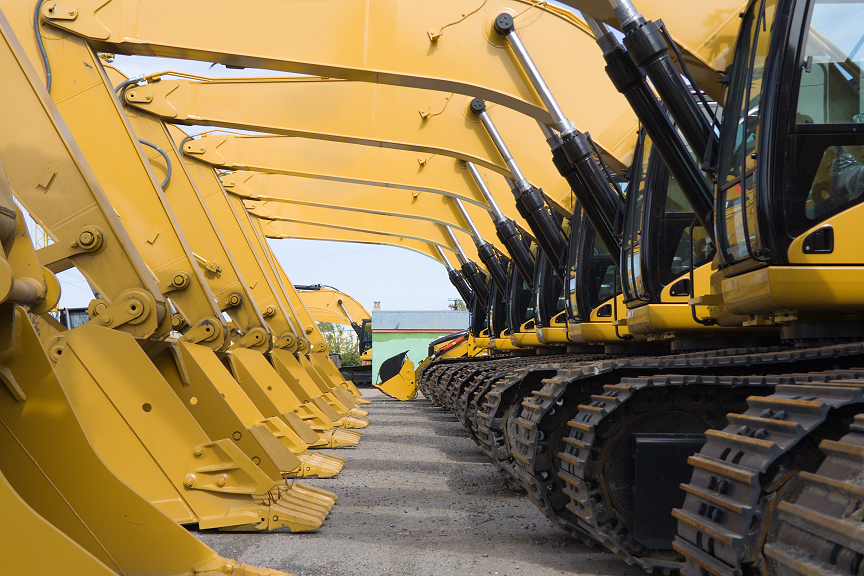
Buying heavy equipment is often treated as a decision about brand, price, machine size, horsepower, hours, financing, or monthly payment.
Those things matter. But they are not the whole decision.
For contractors, mining companies, rental fleets, owner-operators, and equipment managers, one of the most important buying questions is often overlooked:
Can this machine be supported quickly and affordably when it breaks?
That question matters before buying new equipment. It matters even more when buying used heavy equipment. A machine can look attractive on paper, perform well during a demo, and still become expensive to own if parts are hard to find, dealer support is weak, or aftermarket options are limited.
Heavy equipment is not valuable because it sits in a yard. It is valuable because it works. Parts availability, dealer strength, aftermarket support, and repair flexibility all affect whether that machine can keep working over the long term.
The Purchase Price Is Only the Beginning
A lower purchase price can be tempting. A machine may look like a bargain compared with a better-known brand or a more common model. It may have fewer hours than competing machines. It may come with attractive financing or a lower monthly payment.
But purchase price is only the first cost.
The long-term cost of heavy equipment ownership includes:
- Maintenance
- Repairs
- Downtime
- Fuel consumption
- Wear parts
- Transportation
- Field service
- Emergency freight
- Lost production
- Resale value
- Parts availability
A machine that is cheaper to buy can become more expensive to own if common parts are difficult to source.
This is why equipment buyers should not ask only:
“What does this machine cost?”
They should also ask:
“What will it cost to keep this machine working?”
New Machines Usually Hide the Support Problem at First
New machines generally do not fail as often as used machines. During the early part of a machine’s lifecycle, the buyer may not feel the full importance of parts availability or dealer support.
The machine is newer. The warranty may still apply. Major components may still be in good condition. Wear has not fully developed. The owner may not yet be ordering many repair parts.
That can create a false sense of security.
A machine may seem like a smart purchase during the first few years, but ownership becomes more complicated as it ages. Eventually, parts support, dealer response, service knowledge, and aftermarket availability become much more important.
This is especially true once the machine is out of warranty.
At that point, the owner is no longer just relying on the machine. The owner is relying on the entire support system behind the machine.
Local Dealer Strength Matters
Heavy equipment dealer support is regional. A dealer may cover a full state, multiple counties, or a large territory. That means the strength of your local dealer can directly affect your ownership experience.
Two buyers can own the same brand of machine in different regions and have very different results.
A strong dealer can help with:
- Stocking common parts
- Supplying emergency parts
- Providing field service
- Supporting warranty claims
- Diagnosing machine problems
- Helping with technical questions
- Coordinating with the OEM
- Offering rebuild or reman options
- Supporting resale value
A weak dealer network can create serious problems. Even if the machine itself is well-built, the owner may struggle if parts are not stocked locally, lead times are uncertain, or service support is limited.
This is why the dealer should be part of the buying decision.
The right question is not only:
“Is this a good brand?”
The better question is:
“Is this machine well supported in my region?”
Brand Loyalty Can Be Helpful, But It Can Also Blind Buyers
Many equipment owners are loyal to certain brands. That loyalty is often earned through years of good performance, strong dealer support, reliable parts availability, and positive resale value.
There is nothing wrong with brand loyalty when it is based on real ownership experience.
But brand loyalty can become a problem if it causes a buyer to ignore local support, parts availability, or changing market conditions. A brand that performs well in one region may not be equally supported in another. A model that works well for one type of fleet may not be the best fit for another.
The same is true when buyers focus too heavily on price.
A low purchase price may look attractive, but if the machine has limited aftermarket support, limited dealer inventory, or slow parts availability, the buyer may lose those savings the first time the machine goes down.
The best buying decisions balance:
- Brand reputation
- Purchase price
- Local dealer strength
- Parts availability
- Aftermarket support
- Application fit
- Expected ownership period
- Resale value
- Repair risk
The strongest machine is not always the cheapest machine or the most familiar brand. It is the machine that can be supported, repaired, and kept productive over the full ownership cycle.
Used Equipment Buyers Face Greater Parts Risk
Parts availability becomes even more important when buying used heavy equipment.
A used machine has already entered a different part of its lifecycle. Components may be worn. Maintenance history may be incomplete. Hydraulic systems, pins, bushings, undercarriage, engines, final drives, transmissions, and electrical systems may already be closer to major repair.
That does not mean used equipment is a bad decision. Used equipment can be an excellent investment when the machine is properly inspected, priced correctly, and supported by strong parts availability.
But used buyers need to look beyond hours and appearance.
Before buying a used machine, ask:
- Is this model common in my region?
- Does the local dealer support it well?
- Are common wear parts available?
- Are hydraulic parts available?
- Are engine parts available?
- Are undercarriage parts available?
- Are seal kits, pins, bushings, filters, and gaskets available?
- Are aftermarket heavy equipment parts available for this model?
- Are rebuilt or reman components available?
- Can I source parts quickly during a breakdown?
- Will this machine be easy to resell later?
A used machine is not a bargain if it becomes hard to repair.
Machine Lifecycle Matters When Buying Used Equipment
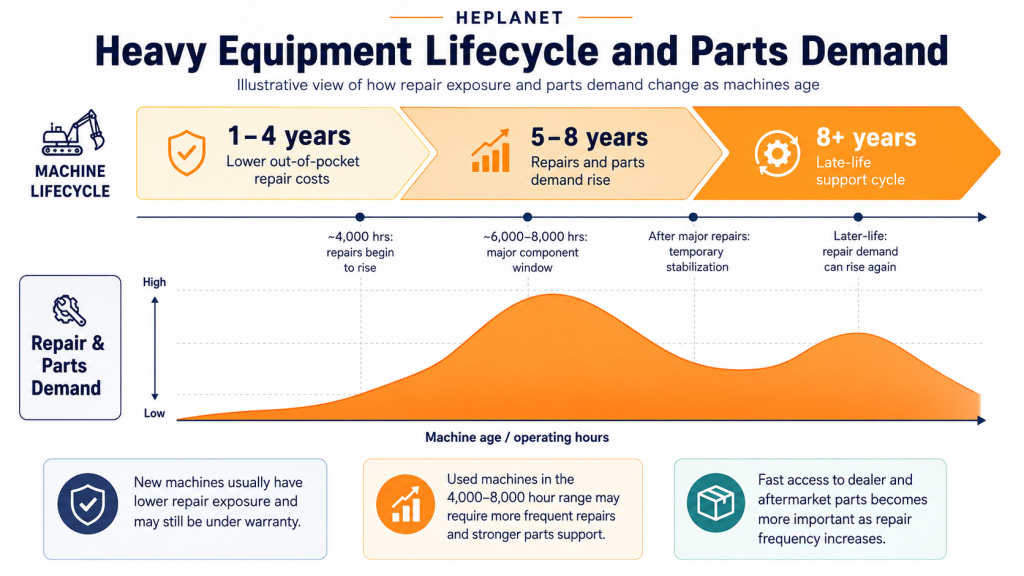
Illustrative lifecycle view showing how repair exposure and parts demand often rise as heavy equipment moves into mid-life and later-life ownership stages.
Used equipment buyers should also think about where the machine sits in its ownership lifecycle.
In the early years of a machine’s life, repair costs are often lower. The machine is newer, major components have less wear, and warranty coverage may still protect the owner from some out-of-pocket repair costs.
But as the machine accumulates hours, that changes.
A machine entering the 4,000 to 8,000 hour range may begin moving into a more repair-sensitive stage of its life. Between roughly 4,000 and 6,000 hours, repairs may start to become more frequent as wear items, hoses, belts, seals, pins, bushings, undercarriage components, and hydraulic issues begin showing up more often.
Between roughly 6,000 and 8,000 hours, depending on application and maintenance history, the buyer may begin facing larger component-related repairs. This can include hydraulic pumps, cylinders, engines, final drives, transmissions, cooling systems, drivetrain components, and other major systems.
These numbers are not exact rules. A well-maintained machine in a lighter application may perform differently than a poorly maintained machine in rock, demolition, mining, land clearing, or heavy earthmoving. Operator care, maintenance history, application severity, and previous repairs all matter.
But the lifecycle concept is important.
A machine with 4,000 to 8,000 hours may not simply be “used.” It may be entering the period where repairs begin to climb. A machine with 6,000 to 8,000 hours may be approaching the point where larger repair events become more likely.
That does not mean the machine should not be purchased. It means the buyer needs to understand what may be coming next.
A machine in this lifecycle stage can create two problems at the same time:
- More frequent repair needs
- Greater dependence on fast parts availability
This is where dealer support and aftermarket parts support become critical. If the machine needs several repairs over the next few thousand hours, the owner needs to know whether parts can be sourced quickly and affordably.
A buyer should not only ask:
“How many hours are on the machine?”
The better question is:
“What repairs are likely coming next, and can I get the parts when I need them?”
Limited Aftermarket Support Can Trap the Owner
One of the biggest hidden risks in heavy equipment ownership is buying a machine with limited aftermarket support.
When aftermarket options are available, owners usually have more choices. They can compare price, availability, quality, lead time, and repair strategy. They may be able to source parts faster, reduce downtime, or keep an older machine working economically.
When aftermarket support is limited, the owner may be forced into a narrow channel.
That can mean:
- Fewer supplier options
- Higher parts costs
- Longer lead times
- More dealer dependence
- Less flexibility during emergencies
- Greater downtime risk
- More expensive long-term ownership
This does not mean OEM parts are bad. OEM parts can be the right choice for many repairs, especially warranty repairs, critical components, software-linked systems, emissions systems, or specialized parts.
The risk comes from having no choice.
A machine that can only be supported through one narrow parts channel may become difficult to own as it ages. The owner may be stuck waiting for parts, paying higher prices, or delaying repairs because no practical alternative exists.
That is why aftermarket parts availability should be considered before the purchase.
Parts Availability Affects Downtime
Heavy equipment downtime is expensive because the cost is not limited to the failed part.
When a machine is down, the owner may also face:
- Idle operators
- Delayed crews
- Trucking delays
- Missed project deadlines
- Lost production
- Rental replacement costs
- Field service charges
- Emergency freight costs
- Customer frustration
- Lower fleet utilization
A part that costs a few hundred dollars can create thousands of dollars in downtime if it cannot be found quickly.
This is especially important for machines working in high-pressure environments such as:
- Roadbuilding
- Site development
- Mining
- Quarrying
- Utilities
- Demolition
- Land clearing
- Rental fleets
- Remote jobsites
- Export markets
In those situations, the best-supported machine often has an advantage over the cheapest machine.
One Failed Machine Can Disrupt the Whole Jobsite
Downtime is rarely isolated to one machine.
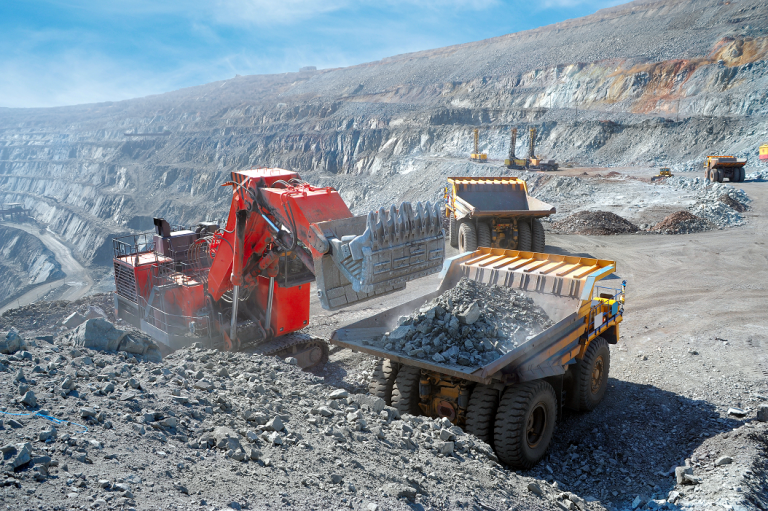
On a jobsite, machines often work as part of a system. A dozer may be building or pushing material for an excavator. An excavator may be loading articulated dump trucks. Those trucks may be feeding another loader, crusher, stockpile, or group of on-road trucks. A grader may be maintaining the haul road or cleaning up behind the operation.
When one machine goes down, the effect can spread.
A failed dozer, excavator, wheel loader, or articulated dump truck may leave operators waiting, trucks parked, crews delayed, and other machines underutilized. The direct repair cost may be only one part of the problem. The larger cost may come from lost production, rental replacement equipment, idle labor, delayed trucking, and disruption to the entire work sequence.
This is why parts availability matters so much. The question is not only how much the part costs. The question is how much production is lost while the machine waits for that part.
Common Parts Categories to Check Before Buying
Before buying new or used heavy equipment, buyers should investigate support for the parts most likely to affect ownership cost and downtime.
Filters and maintenance parts
Routine maintenance parts should be easy to source. If filters, belts, hoses, fluids, and common service items are difficult to get, the ownership experience may become frustrating quickly.
Hydraulic parts
Hydraulic pumps, cylinders, motors, valves, hoses, seal kits, and fittings are critical to machine productivity. Hydraulic problems can stop excavators, loaders, dozers, graders, and mining machines immediately.
Pins and bushings
Pins and bushings affect machine looseness, bucket control, linkage wear, and long-term structure. Poor availability can delay repairs and allow wear to spread into more expensive components.
Undercarriage parts
For tracked machines, undercarriage is one of the largest ownership costs. Track chains, rollers, idlers, sprockets, pads, guards, and hardware should be available through dependable channels.
Engine parts
Engine components, gaskets, pumps, injectors, turbochargers, cooling parts, belts, and sensors can affect uptime, especially as machines age.
Drivetrain and final drive parts
Transmissions, torque converters, axles, differentials, final drives, and related components can be expensive and time-sensitive. Buyers should know whether repair, rebuild, or reman options exist.
Electrical and electronic components
Modern equipment depends heavily on sensors, controllers, displays, harnesses, and software-linked systems. These parts can be harder to source outside the OEM channel, so buyers should understand the risk.
Dealer Support and Aftermarket Support Work Together
The best ownership situation usually includes both strong dealer support and strong aftermarket support.
Dealer support can provide:
- OEM parts
- Technical information
- Warranty support
- Field service
- Diagnostic tools
- Product updates
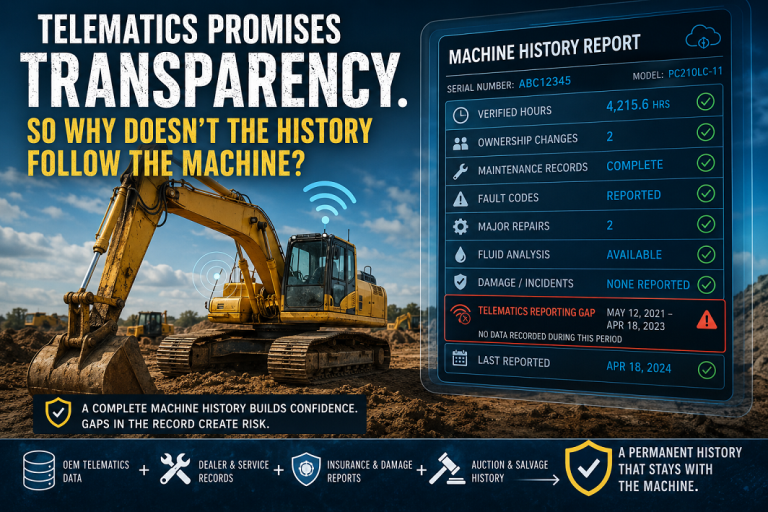
- Machine history
Aftermarket support can provide:
- Additional sourcing options
- Competitive pricing
- Faster availability in some situations
- Support for older machines
- Repair flexibility
- Component rebuild options
- Practical alternatives after warranty
A buyer does not need to choose only one. The strongest ownership strategy often uses both.
The key is having options.
Parts Support Affects Resale Value
Parts availability also affects used equipment value.
A buyer is more likely to pay strong money for a used machine if they believe it can be supported. Machines with strong dealer networks, common parts, aftermarket options, and known rebuild paths are usually easier to evaluate and easier to resell.
Machines with uncertain parts support carry more risk. Even if they perform well today, future buyers may worry about repairs, downtime, and long-term ownership cost.
That risk can affect resale value.
This is why parts support should be considered part of the machine’s total value, not just a maintenance issue.
Export Markets Make Parts Support Even More Important
While this article focuses primarily on North America, parts availability is also a major issue in global equipment markets.
Many machines eventually move into second, third, or fourth ownership cycles. Some are exported to Latin America, Africa, the Middle East, Asia, or other regions where machines may remain in service for many years.
In those markets, dealer support may vary widely by country or region. Aftermarket parts availability can become even more important because owners often need flexible sourcing options to keep older equipment working.
A machine with strong global parts support may remain valuable long after its first owner sells it.
A machine with weak support may become difficult to operate outside its original market.
A Practical Buying Checklist
Before buying heavy equipment, especially used equipment, ask these questions:
- Who is the local dealer?
- How strong is the dealer’s parts department?
- Does the dealer stock common repair parts?
- How quickly can emergency parts be supplied?
- Is this model common in the region?
- Are aftermarket heavy equipment parts available?
- Are undercarriage parts available?
- Are hydraulic parts available?
- Are engine parts available?
- Are pins, bushings, seals, gaskets, and filters easy to source?
- Are major components rebuildable?
- Are reman options available?
- Is technical support available?
- Will the machine be supportable after warranty?
- Will the machine be easy to resell?
- What happens if the machine breaks during a critical job?
If the answers are unclear, the buyer should be careful.
The machine may still be worth buying, but the risk should be reflected in the price, repair plan, and ownership strategy.
The HEPLANET Takeaway
Parts availability should influence the heavy equipment you buy because every machine eventually needs support.
A machine is not just a brand, model, year, hour meter, or purchase price. It is part of a larger ownership system that includes the dealer, OEM, aftermarket suppliers, mechanics, rebuilders, freight channels, service technicians, and resale market.
The best equipment decisions consider the full lifecycle of the machine.
Before buying, ask:
Can I support this machine where I operate it?
Can I get parts when I need them?
Do I have aftermarket options?
Is the local dealer strong?
Will this machine still make sense five years from now?
Those questions may not seem as exciting as horsepower, bucket size, financing, or purchase price. But they often determine whether a machine becomes a profitable asset or an expensive problem.